Baby / 5 December, 2025 / Christina Walter
How long after C-section should you wear a belly band is one of the most common questions new mums ask as they begin their postpartum recovery. Your body has just done something extraordinary, after all, and the right support can make the difference between how comfortable, confident and mobile you will be in those early weeks. A belly band may provide some compression, stabilise your core and even relieve some of the pressure on your incision area, but when to put it on and how long to wear it is important. In this guide, we will take you through the schedule, professional knowledge, and tips that we suggest you follow in order to navigate your healing process without fear or doubts.
Caesarean birth also has its own physical difficulties, such as pain on the incision, core instability, loss of mobility, and postpartum abdominal changes, which are difficult to overcome. Postpartum support bands are also known as belly bands, and many new mums resort to the use of the belly bands to help them find the comfort and stability they need during the early healing weeks. Such products as the Momcozy postpartum belly band provide mild compression to the belly, assist you in standing up and moving with ease, besides give you a feeling of security when laughing, coughing or picking up your baby. Knowledge of the use and timing of a belly band after surgery can make your post-surgical period easier and more tolerable.
The belly band is worn by most of the mums who have had a C-section, and it should last between 4 to 6 weeks, wherein they usually start wearing it within the first few days after delivery when the doctor has confirmed it is safe. The band offered during this period stabilises, minimises the incision pain and helps the weakened abdominal muscles. You may continue wearing it after six weeks, as long as it remains useful to you, particularly when performing such tasks as walking, lifting your baby, or doing chores, but you must wear it less often as your core begins to get stronger on its own.
You should never ignore the instructions of your healthcare provider because individual healing periods may differ.
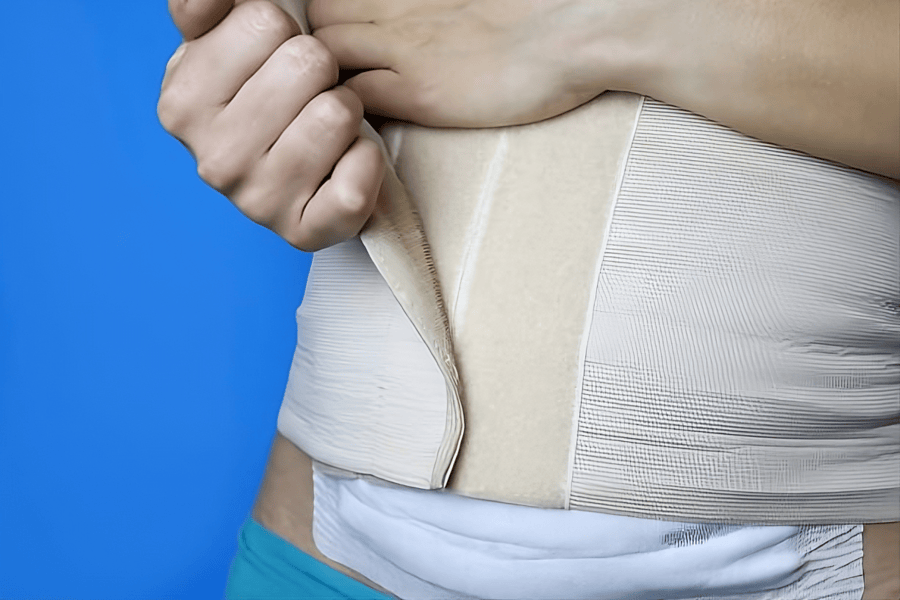
The initial six weeks post-C-section are the most critical period of recovery because the body recovers the inner and outer layers used during the operation. Here’s a week-by-week look at how belly band use typically fits into this healing window:
Weeks 1–2: Maximum Support Phase
Most mums find the belly band especially helpful during this period. It can:
Lessen the sensation of heaviness around the incision.
Helps to strengthen weak abdominal muscles.
Make it easier to stand up, walk, and care for your baby
Enhance posture, which lessens the back strain.
You can wear the band between 6-12 hours a day according to your comfort level. The aim is gentle, supportive compression, not tight binding.
Weeks 3–4: Transition Phase
At this point, most mums are finding increased stability and reduced sensitivity of incisions. You can keep wearing your belly band, but you can start decreasing the number of hours that you wear it every day. It is also a good idea to listen to the way your body feels without it. Most mothers will switch to wearing the band when doing active activities and then remove the band when resting.
Weeks 5–6: Strengthening Phase
At this point, the band is more of an optional aid than a necessity. It may still serve you well in the long hours of standing, walking or going on errands; however, it is also a good idea to allow your core muscles to start bearing more of the weight on their own. After clearance with your provider, light postpartum exercises can replace the belly band over time.
When your incision is healed and your core strength is better, you can begin to gradually decrease your C-section belly band 3 to 4 weeks after childbirth. Start with only wearing it when you are active, then gradually reduce the amount of time you wear it each day, and then gradually reduce it to zero when you feel stable and comfortable.
Always follow your doctor’s advice.
The healing process of every mother is unique, and the length of time you need to wear a belly band after a C-section may be influenced by several factors:
1. Your Delivery Experience
The risk of excessive blood loss, infection or immobility can increase the time you need the support. Always adhere to the unique recommendations of your provider.
2. Your Pre-Pregnancy Core Strength
Mothers who are better conditioned (more core muscles) before pregnancy might not require as much time in a belly band, and those who have had severe abdominal separation (diastasis recti) may require more progressive support.
3. Your Daily Routine and Activity Level
When you have to bend, lift, or carry your baby alone most of the time, your belly can still be supported by your belly band to make sure that you feel comfortable doing these physically strenuous activities.
4. Type of Belly Band Used
There are belly bands that provide strong compression to ensure early recovery and others that provide soft, flexible support to the later stages. The style you choose can influence how long it remains helpful.
5. Your Healing Speed and Incision Sensitivity
A belly band can stay longer in case your incision is tender, pulled during movement or discomfort when coughing or laughing. In case of irritation, though, take off the band and see your medical care provider.
Though belly bands are an excellent tool, they do not imply that they should be used as a permanent substitute for natural core strength. Here are clear indicators that it’s time to say goodbye to your postpartum support band:
You are perfectly secure and stable without it.
You feel uncomfortable, chafed, or itchy in it.
Even when you are walking long distances or picking up a baby, your posture and movements are strong.
Your provider gives the okay to transition out of it
You start core-strengthening exercises and are confident of doing them without assistance.
A belly band may provide a lot of support, comfort, and stability in the initial phases of the healing process, particularly when a C-section is performed. Constant use during the initial few weeks is useful to most mums, then decreases gradually as their core strength is regained and the incision becomes less sensitive. Finally, the correct timeline is based on your body, your everyday needs, and the recommendations of your healthcare provider. By listening to your own comfort levels and transitioning at a pace that feels right, you can move through your postpartum recovery with greater ease and confidence.
Party Season – The Most Comfortable Shapewear For Women This Winter
Let’s Talk About Self-Intimacy, Self-Care, Pleasure And Parenthood

Step into party season with Linzi’s gorgeous collection of occasion-ready footwear. From sparkling heels and statement platforms to elegant courts and chic ballet flats, there’s something for every festive celebration. Whether you’re dressing up for a Christmas party, heading out for cocktails or planning your New Year’s Eve look, Linzi has the finishing touches covered. Think eye-catching details, flattering silhouettes and plenty of sparkle, all at prices that won’t blow the party budget.
Christmas Gifting / 15 November, 2026
Christmas Gifting / 14 November, 2026
Christmas Gifting / 13 November, 2026