Activities & Days Out / 19 December, 2025 / My Baba
More and more people are choosing to enjoy their coffee at home rather than at a café. As a result, espresso machines are no longer found only in cafés but have become the centrepiece of many home kitchens. This trend is not only changing daily routines in households but also influencing social behaviour around coffee.
Encounters are increasingly shifting from public spaces to private settings. The reasons for this are varied, ranging from economic factors to changes in how we communicate. Coffee at home has become a small but meaningful everyday ritual, blending quality, comfort, and enjoyment.
With our lives accelerating and expenses continually rising, there’s a widespread craving for genuine moments of calm and indulgence in your own home. Brewing your own coffee provides the perfect excuse to hit the brakes and settle into a comforting daily ritual.
While saving money is definitely a major draw – the cost of frequent café visits adds up so fast that investing in quality beans and gear often pays for itself sooner than you’d think. The real benefit goes much deeper than just the finances.
Having your own espresso machine gives you total control over the quality and precise customisation of your drink. You get to play the barista, fine-tuning everything from the grind size to the water temperature and pressure. It’s like turning your kitchen counter into a sophisticated coffee bar capable of turning out a consistently excellent, tailored cup.
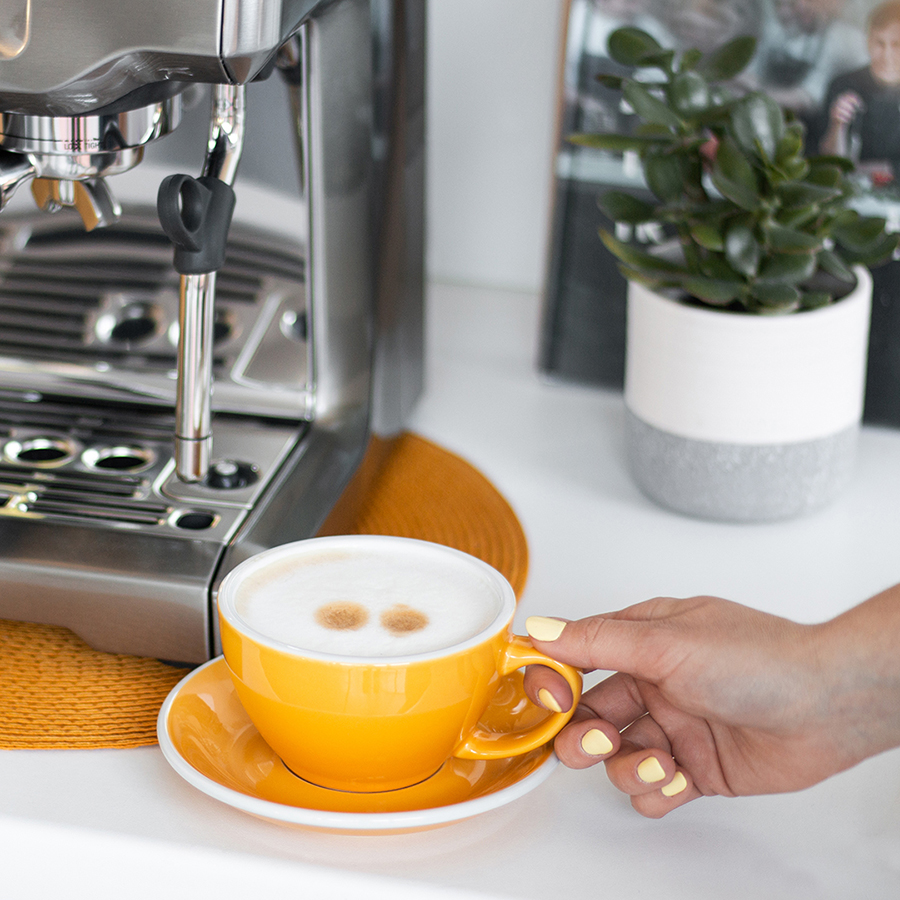
Photo: coffeefriend.co.uk
This ability to craft a truly great coffee also elevates the social side of things. Hosting friends moves beyond simply pouring a drink; it becomes a way of sharing a thoughtful and enjoyable experience. This focus, on creating a personalised, high-quality coffee moment at home reflects a broader global shift as people seek more intimate and meaningful ways to connect over a shared brew.
Across the globe, a fascinating new trend is emerging: the ‘living room café’ where hosts transform private settings into semi-public spaces for serving coffee.
This concept is thriving in places like Japan, where ‘home cafés‘ are typically discovered via social media. These spots beautifully blend traditional living room culture with the welcoming feel of a neighbourhood gathering. Similarly, in the U.S., some hosts temporarily turn parts of their homes into intimate coffee rooms.
The unique appeal of this trend lies in its charm – the mix of informality, personal atmosphere, and distinctive style that offers a refreshing contrast to the often standardized, impersonal experience of a conventional coffee shop.
In response to this global yearning for intimacy, and particularly in countries like the UK where strict hygiene and commercial laws restrict private home operations, many high street coffee shops are actively redesigning their interiors to mimic a domestic setting. This isn’t just about aesthetics; it’s a strategic effort to create a ‘third space’ – a home away from home – that encourages customers to linger and relax. Crucially, this trend involves a noticeable shift away from the once-popular, minimalist look: cafés known for their stark white, clean, and perhaps cold interiors are gradually softening their design to feel more intimate and home-like.
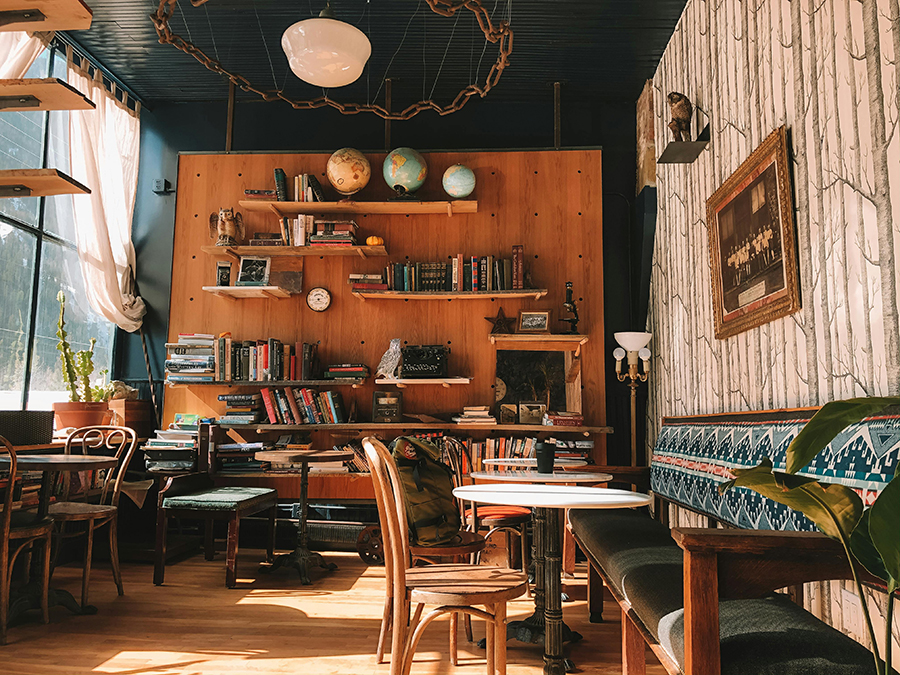
Photo: pixels.com
Key features include swapping out uniform seating for a mix of comfortable, vintage furniture, deep leather sofas, and velvet armchairs. They achieve an intimate ambiance by embracing layered, warm lighting (using pendant lamps, floor lamps, and even candles instead of harsh overhead fluorescent bulbs) and incorporating rich, natural textures like exposed brick, reclaimed wood, and plenty of indoor greenery. By creating distinct, quieter seating and providing amenities like shelves of books or board games, these commercial venues intentionally blur the line between public space and private comfort, offering the personalised, unhurried atmosphere that people crave.
For those wondering what the best coffee for an espresso machine is, the answer is high- quality, freshly roasted, medium-to-dark roast beans – and specialised suppliers are essential.
Resources that support this journey, such as Coffee Friend, have become invaluable, offering both the best gear and expertly curated coffee suggestions to ensure enthusiasts can easily access the tools and knowledge needed to master the craft. This new culture, empowered by personal dedication and accessible suppliers, is small, personal, and surprisingly future-proof.
The trend of enjoying coffee at home is clearly more than just a cost-saving measure. It reflects a deep societal desire for authenticity, curated moments of enjoyment, and a more intentional social life. This movement transforms high-quality coffee from a quick café transaction into a personalised, domestic experience. When espresso machines quietly steam and guests relax on the sofa, a new, intimate form of togetherness emerges.
Christmas Money-Saving Hacks: 12 Expert Tips To Cut Costs This Festive Season
Jewellery With Meaning: How To Celebrate Life’s Biggest Chapters

Step into party season with Linzi’s gorgeous collection of occasion-ready footwear. From sparkling heels and statement platforms to elegant courts and chic ballet flats, there’s something for every festive celebration. Whether you’re dressing up for a Christmas party, heading out for cocktails or planning your New Year’s Eve look, Linzi has the finishing touches covered. Think eye-catching details, flattering silhouettes and plenty of sparkle, all at prices that won’t blow the party budget.
Christmas Gifting / 15 November, 2026
Christmas Gifting / 14 November, 2026
Christmas Gifting / 13 November, 2026