Baby / 16 February, 2026 / Christina Walter
Dummies can be a helpful and comforting tool for babies when used mindfully. The focus of this guide is not whether parents should use a dummy, but how to use one safely, hygienically, and in a way that supports natural soothing and healthy sleep routines.
Babies are born with a natural sucking reflex, which plays an important role in self-soothing. For many families, a dummy can help support this instinct, particularly during sleep, travel, or moments of overstimulation in the early months.
Most experts recommend introducing a dummy once feeding is well established, especially for breastfed babies. It should be viewed as one of several soothing tools, alongside cuddling, rocking, skin-to-skin contact, and responsive settling.
Dummies tend to work best when used consciously rather than automatically. Offering one to help a baby settle or fall asleep can be helpful, but comfort comes in many forms. A parent’s touch, voice, and closeness remain just as important as any soothing aid.
Not every baby wants or needs a dummy, and that is completely normal.
Some babies accept a dummy instantly, while others show little interest. Parents do not need to “push” dummy use if it does not feel right or if their baby resists it. Responsive parenting means noticing and respecting individual cues rather than following a rigid rule.
Not all dummies are designed equally. When selecting one, parents should look for:
Natural rubber latex dummies, traditionally popular in Scandinavian countries, are often valued for their softness and flexibility, which some parents feel more closely mimic the breast.
BIBS dummies are Danish-made, BPA-free, and designed with both safety and comfort in mind. They come in beautiful, stylish designs, offering a mindful approach to soothing that supports your baby’s natural comfort while looking great too.
Choosing a thoughtfully designed dummy made from high-quality materials can support a more mindful approach, offering comfort when needed without overstimulation.
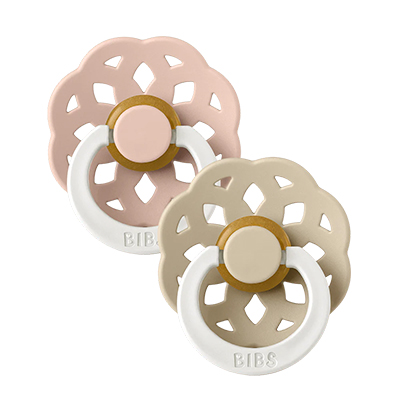
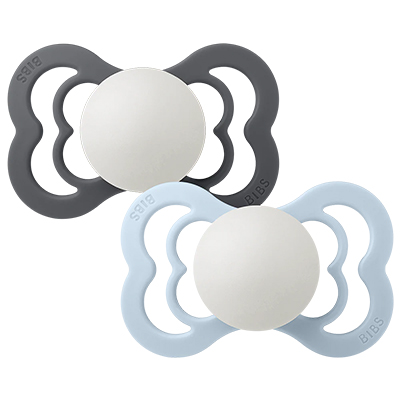
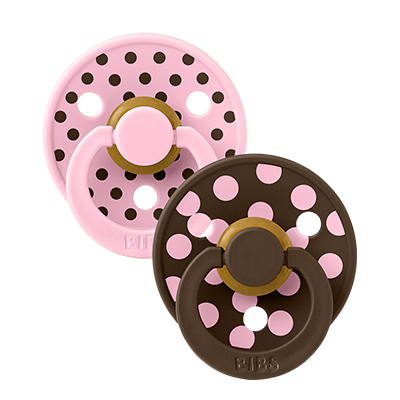
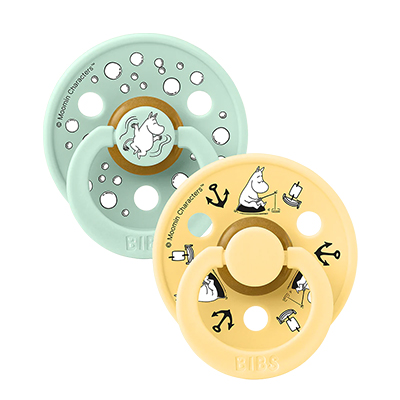
Keeping dummies clean is essential for your baby’s health.
Parents should:
Some research suggests that using a dummy during sleep may be associated with a reduced risk of Sudden Infant Death Syndrome (SIDS). Current safe-sleep guidance recommends:
Dummy use is most common in the first year of life. Many experts suggest gradually phasing out dummy use between 18 and 24 months, particularly during sleep, to support oral development and reduce the likelihood of long-term dependency.
A gentle approach often works best. This might mean:
Restricting dummy use to specific moments, such as sleep or times of overstimulation, can prevent it from becoming a constant habit while still offering comfort when genuinely helpful.
Dummies are a safe and widely used soothing tool, and many babies find real comfort in them. Used thoughtfully and safely, they can form part of a healthy sleep and soothing routine.
As with most aspects of parenting, there is no single “right” or “wrong” approach. What works best will depend on the individual baby and family, and feeling confident in your choices is what matters most.
Nursery Interiors: Playful Pastels Perfect For A Spring Baby

Step into party season with Linzi’s gorgeous collection of occasion-ready footwear. From sparkling heels and statement platforms to elegant courts and chic ballet flats, there’s something for every festive celebration. Whether you’re dressing up for a Christmas party, heading out for cocktails or planning your New Year’s Eve look, Linzi has the finishing touches covered. Think eye-catching details, flattering silhouettes and plenty of sparkle, all at prices that won’t blow the party budget.
Christmas Gifting / 15 November, 2026
Christmas Gifting / 14 November, 2026
Christmas Gifting / 13 November, 2026