Health & Fitness / 14 May, 2026 / Ellie Thompson
If you’ve ever had white bumps on your skin, you’re not alone – Google Trends data has revealed that searches for ‘Milia’ and ‘White Spots On Skin’ have increased by 5,000% over the last month.
With an increase in searches for this skin condition, we spoke to Chartered Chemist and founder of SOS Serum Skincare, Bruce Green to find out more about Milia, including the causes, who’s most likely to get them, and treatment options.
Milia are tiny, white or yellowish bumps that usually appear on the face, most commonly around the eyes or cheeks. They’re formed when keratin (a protein in the skin) becomes trapped beneath the surface. Unlike spots or whiteheads, they aren’t caused by bacteria or clogged pores, but generally by dead skin cells becoming trapped. They’re completely harmless, but can be frustrating cosmetically.”
“Milia can affect anyone, but they’re particularly common in newborns (often called ‘milk spots’) and in adults with drier or thicker skin. They can also appear after skin trauma, such as burns, or even from using heavy skincare products that clog the surface of the skin. People with sun-damaged skin may also be more prone.”
“Most milia resolve on their own over time, but regular gentle exfoliation using chemical exfoliants (like AHAs or BHAs) can help them to clear up and to prevent new ones forming. Retinol can also help improve skin cell turnover. It’s important never to pick at milia, as this can damage the skin. For stubborn or long-lasting milia, professional extraction by a dermatologist or trained aesthetician is the safest option.”
“While milia often disappear on their own, a good skincare routine can help keep your skin healthy and reduce the likelihood of new ones forming. Start with a gentle cleanser, such as SOS Cleanse, to lift away impurities and dead skin cells without stripping your skin’s natural oils — this helps keep your skin balanced and hydrated. Exfoliation, in moderation, can also support the skin’s natural renewal process.
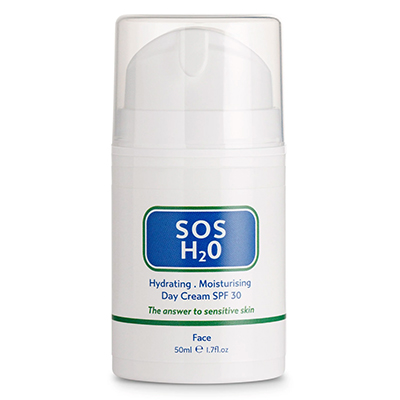
Using a mild chemical exfoliant once or twice a week helps smooth the skin’s texture, but it’s important to note that this won’t remove existing milia, and over-exfoliating can cause irritation. Hydration is equally important: a lightweight, non-comedogenic moisturiser, such as SOS H20 SPF 30 helps maintain a strong skin barrier, protecting against dryness and irritation. Always ensure that the skin is protected with an SPF. If milia persist, or if you’d like them removed, it’s best to seek professional help from a dermatologist or a trained aesthetician. Trying to extract them at home can damage the skin and increase the risk of scarring or infection.”
Menopause, Intimacy And The Symptoms Many Women Don’t Recognise
Sepsis Is Still One of the Biggest Killers Of New Mums. Why Aren’t We Talking About It?

Step into party season with Linzi’s gorgeous collection of occasion-ready footwear. From sparkling heels and statement platforms to elegant courts and chic ballet flats, there’s something for every festive celebration. Whether you’re dressing up for a Christmas party, heading out for cocktails or planning your New Year’s Eve look, Linzi has the finishing touches covered. Think eye-catching details, flattering silhouettes and plenty of sparkle, all at prices that won’t blow the party budget.
Christmas Gifting / 15 November, 2026
Christmas Gifting / 14 November, 2026
Christmas Gifting / 13 November, 2026