Food / 7 July, 2026 / Ellie Thompson
Cape gooseberries, physalis or harankash, as they are called them in Egypt, are sold on street carts during the late summer and autumn months. For this recipe, the popular yet humble creamy rice pudding is paired with roz bil laban and a compote of spiced harankash for a fresh take on the original.
To make the rice pudding, stir together the rice, sugar and 200ml (7fl oz/¾ cup) water in a heavy-bottomed pan over medium heat. Let it come up to a boil, then cook for 5–10 minutes. Add the milk, cream and vanilla bean (if using) and once it returns to a boil, reduce the heat to low and let simmer, stirring occasionally, for 45–50 minutes until the rice is tender. Turn off the heat and stir in the vanilla extract (if using). Pour into four individual bowls or one large one and let cool. Refrigerate for a few hours before serving.
For the compote, place the physalis, sugar and 75ml (2½fl oz/5 tbsp) [RW1] [SZ2] water in a medium pan over high heat. Once the liquid starts to boil, reduce the heat to medium–low. Add the star anise, cloves and cinnamon stick and simmer for 40 minutes until the compote has thickened. Turn off the heat and let cool.
To serve, top the bowl(s) of chilled rice pudding with a spoonful of physalis compote. Garnish with chopped pistachios.
Recipe by Rawah Badrawi & Suzanne Zeidy
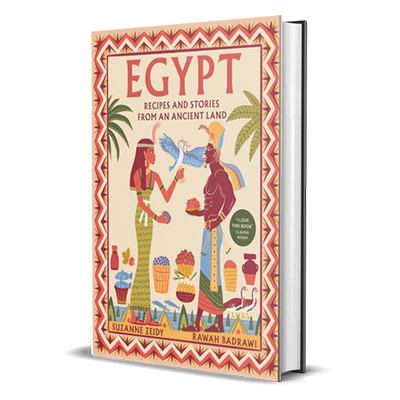
A unique journey through the food, culture and landscapes of Egypt, told through beautiful recipes, travel stories and incredible photography from award-winning photographer Jonathan Gregson.
Egypt is one of the world’s oldest civilisations with diverse landscapes, people and cultures. This gorgeous cookbook will take you on a unique journey to explore Egypt’s magic via its rich culinary history and the rituals that surround it, with over 150 recipes thoughtfully curated from all over the country and presented for a modern home cook.
Part culinary album, part travelogue, this book opens up the tastes, aromas, history and love entwined in Egyptian cooking to the world, sparking conversation about ancient cooking methods and ingredients and the ways in which cultures change across time. The authors visit extraordinary places, gathering recipes from Egyptians of all backgrounds: matriarchs, monks, bedouins, Nubians, Nile River farmers, Alexandrian Greeks and many more. With photography by Jonathan Gregson, and illustrations by Louis Barthélemy, EGYPT is a visual extravaganza that will inspire both the avid cook and world traveller.

Step into party season with Linzi’s gorgeous collection of occasion-ready footwear. From sparkling heels and statement platforms to elegant courts and chic ballet flats, there’s something for every festive celebration. Whether you’re dressing up for a Christmas party, heading out for cocktails or planning your New Year’s Eve look, Linzi has the finishing touches covered. Think eye-catching details, flattering silhouettes and plenty of sparkle, all at prices that won’t blow the party budget.
Christmas Gifting / 15 November, 2026
Christmas Gifting / 14 November, 2026
Christmas Gifting / 13 November, 2026