Parenting / 20 April, 2026 / Christina Walter
From bikes to balance boards, toys that encourage movement and physical development play an important role in helping children build strong, healthy bodies. But alongside physical play, nurturing healthy minds and supporting emotional wellbeing is just as important.
Creative, open-ended play can be a simple and fun way to do both.
Colourful, tactile toys and materials that invite children to explore freely can encourage moments of calm focus. With no rules or fixed outcomes, children can immerse themselves in the experience of play – experimenting with colours, shapes, patterns and textures at their own pace.
In these moments, children naturally slow down and focus on what’s in front of them. That kind of present-moment attention is the foundation of mindfulness, helping children develop concentration, emotional awareness and a sense of calm.
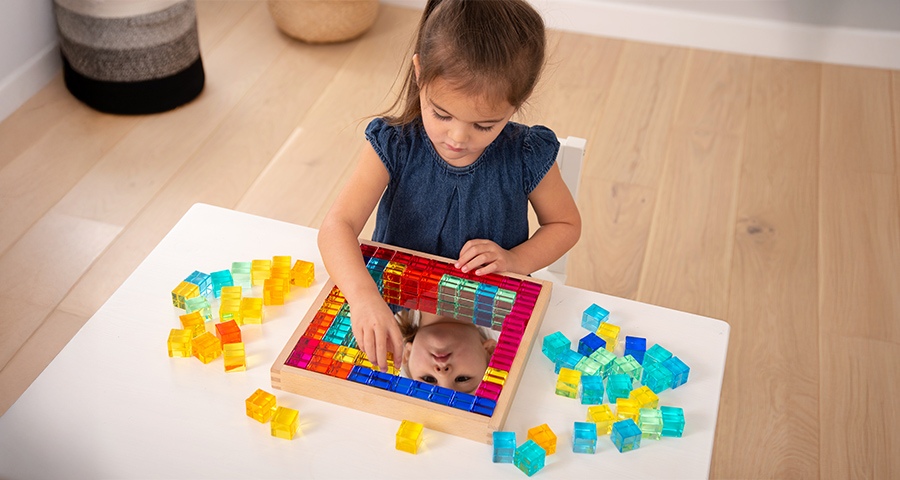
Open-ended play toys such as the tickit Gem Cube, Gem Circle Mirror Tray and Gem Column Tray are designed with this type of mindful play in mind. As children arrange, stack and explore the colourful gems and reflective surfaces, they’re encouraged to pause, observe and experiment – all while enjoying the sensory experience of play.

There’s growing awareness among parents and teachers about the importance of supporting children’s emotional literacy – helping them understand their feelings and those of others.
Emotional literacy includes recognising emotions, finding ways to express them, and learning to empathise with others.
Rachel Comfort, Primary School Teacher, explains that emotional intelligence goes far beyond simply naming feelings.
“Emotional intelligence spans far wider than just being able to express ourselves. It allows us to access more meaningful relationships and learning opportunities,” she says. “It’s important for children to learn how to understand and display emotions appropriately from three, four and five years old. And it’s also key for us to teach children to empathise with those who may not be able to express themselves.”
Because we’re always experiencing emotions – whether excitement, frustration, happiness or worry – helping children recognise those feelings is an important first step towards understanding others and building strong relationships.
Rachel took some resources into an EYFS setting to observe how children might interact with them.
“I used a mirror and the tickit My Emotions Wooden Tiles, which show images of real children. It was a very simple activity to set up and as soon as the children entered the room, they were captivated by it.”
She noticed how fascinated the children were by their own reflections.
“They looked at themselves in the mirror and pulled different faces. It reminded me of when my son was younger – during a tantrum, he watched himself through the camera on my phone. He noticed his facial expression just as he began to cry and became curious about how his face changed.”
Watching themselves allowed the children to experiment with their expressions and begin connecting facial cues with emotions.
“During my classroom observation, I noticed a lack of vocabulary linked to emotions. Most children only referred to sad, happy or scared,” Rachel explains.
“Using the mirror alongside the wooden tiles created opportunities for conversations about emotions and introduced new vocabulary.”
Before long, the children began sharing their own experiences of when they had felt certain emotions.
“Through the conversations that followed, the children grew their vocabulary by linking their experiences and feelings to the images they recognised on the tiles. The use of images of real children was hugely beneficial because they were so relatable.”
Simple visual tools can also help children understand concepts like time, patience and calm breathing.
tickit bestsellers such as the ColourBright Sand Timers and Sensory Ooze Tubes are designed to make mindfulness activities accessible even for very young children.
The sand timers offer a modern take on the traditional hourglass, with colourful sand moving slowly through a shatterproof container. Watching the sand fall provides a visual way for children to understand the passing of time – ideal for encouraging calm pauses or short brain breaks.
The Sensory Ooze Tube Set offers a mesmerising sensory experience. Inside each crystal-clear tube, syrupy, non-toxic liquid jelly slowly spirals and trickles before reforming at the bottom. The gentle movement naturally draws children’s attention and invites quiet observation.
For babies and toddlers, the Sensory Steel Tumble Ball offers another playful sensory moment. Its shiny, curved surface creates funny, distorted reflections that delight young children as they watch light shimmer and dance – and pull silly faces at their wobbly mirror image.

Mindfulness doesn’t have to involve complicated exercises. Often, it can be as simple as slowing down and paying attention while playing together.
Independent play: Allow your child time for child-led, unstructured play without directing the activity. Exploring freely helps children build confidence, concentration and emotional regulation.
Balloon belly breathing: Ask your child to lie on their back and place a small toy on their tummy. As they breathe in and out slowly, they can watch the toy rise and fall – a fun way to practise calm, deep breathing.
Imaginative role play: Pretend play opens the door to empathy. Acting out stories and characters allows children to explore feelings, relationships and different perspectives in a natural way.
Emotion colours: Assign colours to different feelings and ask your child to choose a colour that matches how they feel. This simple activity helps children visualise emotions and develop emotional vocabulary.
Create and let go: Encourage your child to build a pattern or picture with gems or blocks, then photograph or draw it before clearing it away to start again. It celebrates creativity while teaching children that the joy is in the making.

Sponsored content in collaboration with tickit.
Early Rider Super Velio vs Bella Velio: The Best First Bike For 1-Year-Olds?
TV GP Dr Ellie Cannon On NHS Tips For Parents: How To Get Faster Healthcare Without The 8am Rush
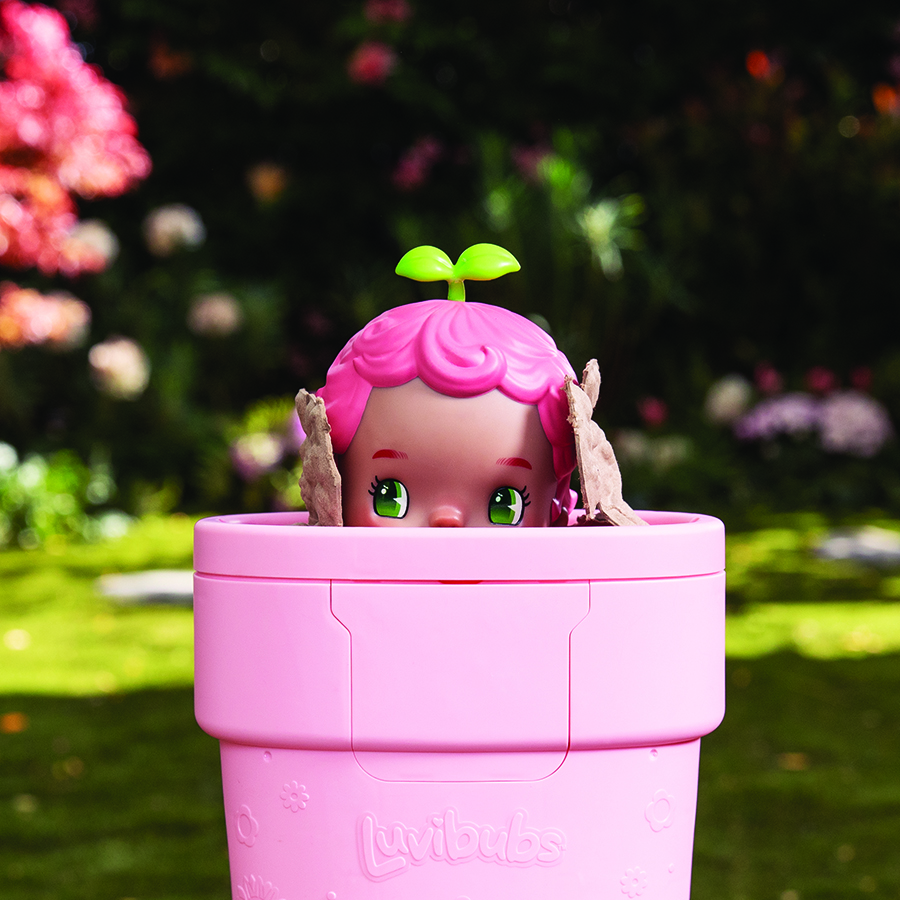
With a little water, love and care, watch your Luvibub magically sprout from the soil and transform into a cuddly baby doll. It’s a playful twist on nurturing, giving little ones the chance to care for their very own baby, while discovering feelings and emotions along the way. Because with Luvibubs, love really does make little things grow.
My Baba Measure / 26 August, 2026