Health & Fitness / 26 November, 2026 / My Baba
When it comes to reducing pain, improving mobility and building strength, bigger isn’t always better. While squats, deadlifts and lunges all have their place, some of the most valuable work can come from the smallest, most controlled movements.
For those living with persistent or chronic pain, micro-movements can offer an accessible way to reconnect with the body, rebuild confidence and develop the foundations for better movement.
Rebecca Dadoun, Pilates instructor and founder of Pilates Prescription, explains how incorporating small, intentional movements into your exercise routine can help manage pain, improve mobility and complement traditional strength training.
Micro-movements are small, precise and controlled movements that help develop body awareness, stability and coordination. They can help retrain movement patterns, calm the nervous system and rebuild confidence in movement.
These seemingly simple exercises act as the foundations that support everything else we do, whether that’s lifting weights in the gym, carrying the shopping or getting down on the floor to play with the children.
One of the most overlooked micro-movements is breathing. We rarely think of breathing as movement, but it is one of the most important mechanical actions in the body.
Learning to breathe well means understanding how the diaphragm moves, how the rib cage expands and how the breath coordinates with the rest of the body.
In Pilates, breath is deliberately paired with movement, creating a rhythm that supports stability, control and nervous system regulation.
Slow, controlled breathing can help shift the body away from a heightened stress response. This can be particularly valuable for people living with persistent pain, where the nervous system can become overly protective. When the breath becomes smoother and more efficient, the body often follows.
Another key micro-movement skill is learning to move the limbs independently of the trunk and pelvis.
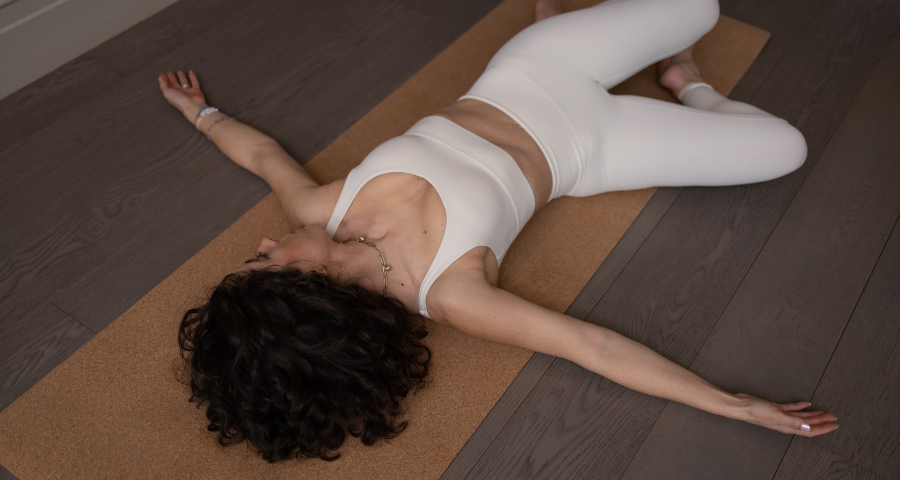
For example, lying on your back and moving one leg while keeping the pelvis and trunk stable teaches the body how to create movement at the hip without compensating elsewhere.
Some people living with pain unknowingly brace, twist or shift through the spine or pelvis when they move their limbs, which can contribute to discomfort. Micro-movements offer an opportunity to explore and retrain these patterns in a gentle, low-load environment.
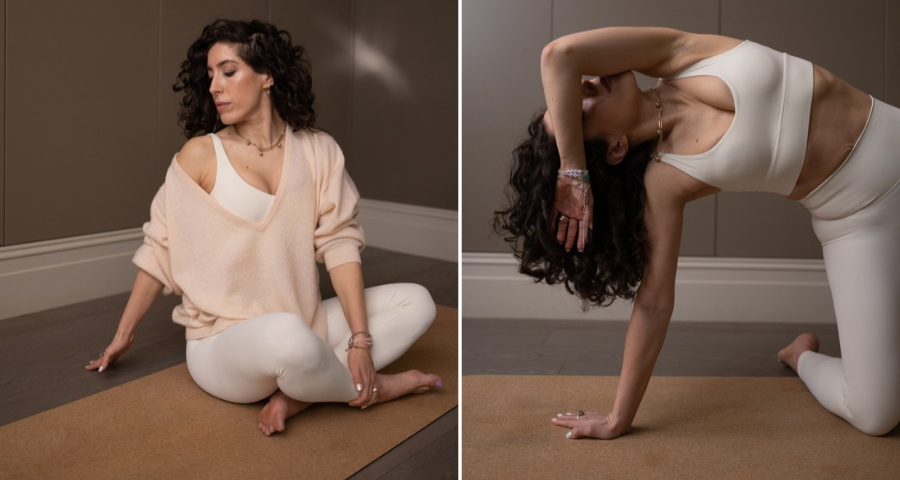
These details might seem small, but they are the building blocks of bigger movements.
A squat, deadlift or lunge requires coordination between the limbs, trunk and pelvis. Developing these foundational skills can help larger movements feel more controlled, comfortable and efficient.
Micro-movements give the body the chance to practise these skills without the added pressure of heavy weights or complex choreography.
For people experiencing chronic pain, micro-movements offer an accessible entry point into exercise.
Pain often creates fear – fear of bending, lifting, twisting or moving in ways that have previously caused discomfort. This fear can lead to movement avoidance, which may contribute to ongoing pain and reduced mobility.
Micro-movements allow people to explore movement gently, gradually and with a greater sense of safety. They can help rebuild trust in the body.
When someone realises they can move a leg, a rib, a shoulder or a hip comfortably, it can create confidence that is then carried into bigger movements and everyday activities.
Micro-movements can also help improve proprioception, the body’s ability to sense where it is in space.
Chronic pain can affect proprioception, making movements feel clumsy or unpredictable. Slow, controlled exercises help sharpen this awareness, giving people a clearer sense of how their body moves and how to control it.
This improved awareness can help people develop more efficient movement patterns and make larger movements feel more stable and coordinated.
Importantly, micro-movements are not a replacement for strength training. They complement it.
Pilates and gym-based strength work are not competing approaches; they are two parts of the same system. Micro-movements help us understand and control our bodies, while strength training helps us apply that control under load.
Combining the two can help build strength, improve mobility and develop greater confidence in movement.
The beauty of micro-movements is that many can be done anywhere – on the floor, on a mat, at home or in a studio.
They don’t necessarily require equipment or high levels of fitness. They simply require attention.
Examples of micro-movements include:
For people living with pain, these exercises offer the opportunity to slow down, tune in and rebuild the foundations of movement from the ground up.
Ultimately, the value of micro-movements lies not in how easy they are, but in their precision.
They help the body explore how to move, stabilise, breathe and coordinate more effectively, creating the foundations for bigger movements to feel more comfortable and achievable.
For anyone living with persistent pain, or simply wanting to move better, these small, intentional exercises can be a valuable place to start.
If you’re experiencing persistent or unexplained pain, seek advice from a qualified physiotherapist or healthcare professional who can recommend exercises tailored to your individual needs.
Credit: Rebecca Dadoun, Pilates Instructor & Founder of Pilates Prescription.
BabyBjörn Celebrates 65 Years Of Dad Stories: The Changing Face Of Fatherhood

Give the gift of adventure this Christmas with Into the Blue’s Black Friday offers. From supercar thrills and wingwalking to perfume-making and indoor skydiving, there’s something for everyone, with some seriously impressive savings.
Highlights include the Ultimate Five Supercar Track Day for just £99 (saving £250), £100 off the Dambusters Tiger Moth Flight, £40 off Weekday Wingwalking and £50 off a Two-Day Sword Making Course for Two.
For something a little different, Design Your Own Perfume for £39 (saving £10), or snap up an iFLY Indoor Skydiving Experience for two for £44.99. Plus, enjoy 25% off selected experiences with code BF25. The perfect excuse to swap another present under the tree for a memory they’ll never forget.
Health & Fitness / 26 November, 2026
My Baba Measure / 25 November, 2026
Christmas Activities / 25 November, 2026