Health & Fitness / 23 November, 2026 / Christina Walter
As the days get shorter and the mornings and evenings become darker, it’s not unusual for the whole family to feel the effects. Getting out of bed becomes harder, energy levels can dip and we can all find ourselves missing those lighter, brighter days.
For some people, however, the winter blues are more than just a passing feeling. Seasonal Affective Disorder (SAD) is a type of depression linked to seasonal changes, usually appearing during autumn and winter when natural daylight is in shorter supply.
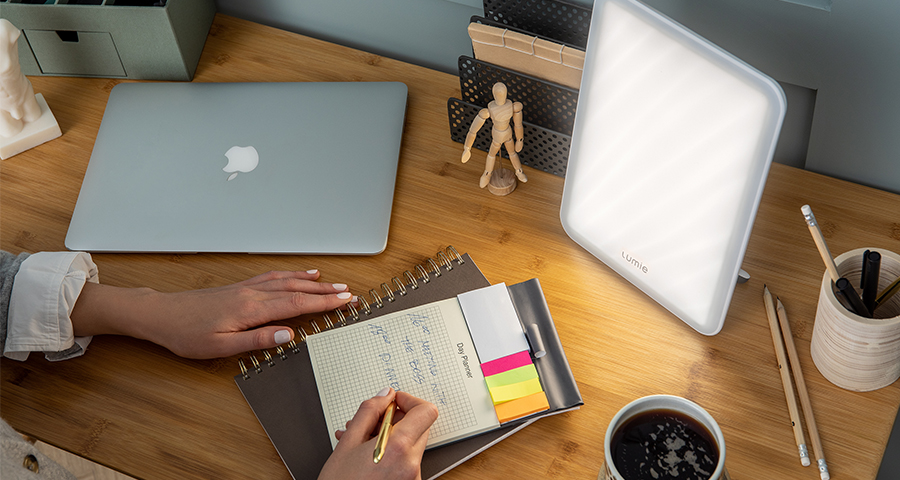
One way of helping to manage the symptoms is through light therapy, using a specially designed SAD lamp to bring more daylight into your daily routine.
SAD lights, also known as light therapy lamps, are designed to mimic natural daylight. They produce a much brighter light than ordinary household lighting, helping to compensate for the reduced daylight we’re exposed to during the winter months.
A typical SAD lamp provides 10,000 lux of light. Used regularly, usually in the morning, light therapy can help regulate our body clock, which influences sleep, energy levels and mood.
Many people find that incorporating a daily session into their morning routine helps them feel more alert and can improve symptoms associated with SAD.
It’s worth remembering that getting outside during daylight hours is still beneficial, even when the weather isn’t particularly inviting.
It’s a common misconception that SAD lamps provide vitamin D in the same way as sunlight. In fact, they work differently. SAD lamps use bright, UV-free visible light to help regulate our body clock and support mood, rather than stimulate vitamin D production.
During the darker UK months, it’s still important to consider vitamin D supplementation in line with NHS advice.
Consistency is key with light therapy. Most people use their lamp in the morning, with around 30 minutes a day being a common starting point for a 10,000-lux lamp. Always follow the manufacturer’s guidance, as the recommended distance and treatment time can vary.
If you’re experiencing persistent low mood or symptoms of depression, it’s important to speak to your GP. Light therapy isn’t suitable for everyone, particularly those with certain eye conditions or taking medication that increases light sensitivity.
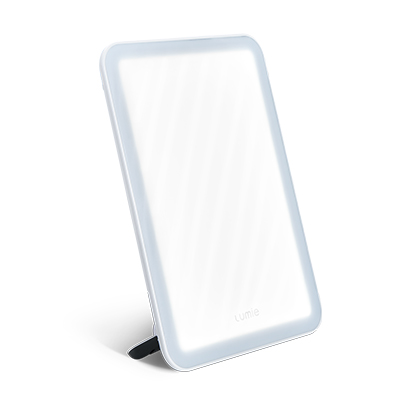
For anyone looking to introduce light therapy into their winter routine, Lumie’s Vitamin L is a handy option. Providing 10,000 lux at 20cm, it uses cool white LEDs and a specially designed diffuser to deliver bright, UV-free light. Its slim, lightweight design and detachable stand make it easy to move around the house.
Light also plays an important role in children’s sleep routines. A calm bedroom environment and consistent bedtime habits can help little ones recognise when it’s time to wind down.
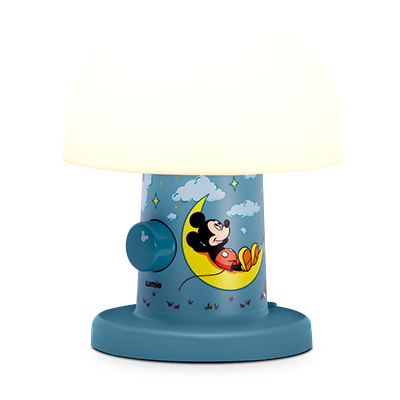
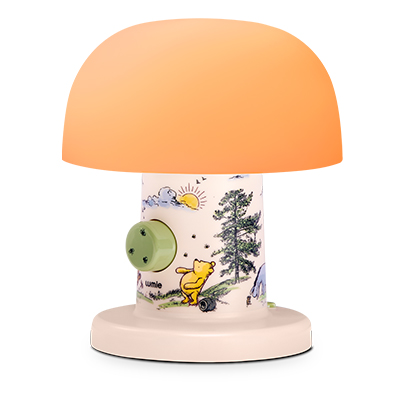
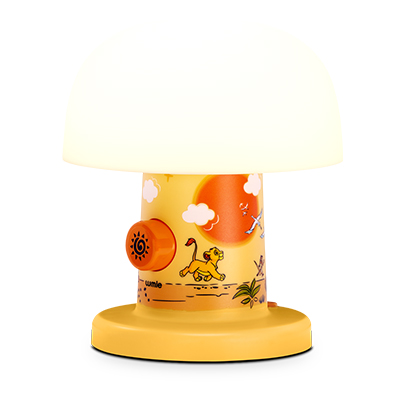
Lumie’s Willow collection has been designed with children’s sleep in mind, combining gentle, low-blue lighting with charming designs featuring familiar characters. Suitable from birth, the range is designed to support healthy bedtime habits as little ones grow.
Each Willow light features a clever 20-minute sunset function, gradually dimming to mimic the natural transition from day to night. Parents can choose to have the light fade completely off or finish with a gentle nightlight, offering a little reassurance for children who prefer not to sleep in complete darkness. With adjustable brightness and silent controls, the lights are designed to make bedtime a calmer experience for children.
Featuring favourites like Winnie the Pooh and other much-loved characters, the Willow collection is a lovely way to introduce a more mindful approach to lighting at bedtime.
From winter wellbeing to calmer bedtimes, Lumie has lighting solutions for the whole family.
Shop Christmas Gifts For Her 2026
TRENDING: A Guide To The Best-Selling Kids Toys This Christmas

Give the gift of adventure this Christmas with Into the Blue’s Black Friday offers. From supercar thrills and wingwalking to perfume-making and indoor skydiving, there’s something for everyone, with some seriously impressive savings.
Highlights include the Ultimate Five Supercar Track Day for just £99 (saving £250), £100 off the Dambusters Tiger Moth Flight, £40 off Weekday Wingwalking and £50 off a Two-Day Sword Making Course for Two.
For something a little different, Design Your Own Perfume for £39 (saving £10), or snap up an iFLY Indoor Skydiving Experience for two for £44.99. Plus, enjoy 25% off selected experiences with code BF25. The perfect excuse to swap another present under the tree for a memory they’ll never forget.
My Baba Measure / 25 November, 2026
Christmas Activities / 25 November, 2026